
by Natalie McCarter | Nov 9, 2026 | Seasonal
Heating System and Furnace Inspection
Chicago winters are not forgiving. Deep freezes, sustained below-zero stretches, and lake-effect conditions near the lakefront put serious demand on residential heating systems, and a furnace that limps through one season may not survive the next. Before closing on any Chicago property, understanding exactly what is sitting in the mechanical room is one of the most consequential steps a buyer can take.
A professional HVAC inspection goes well beyond a visual check. A qualified technician will assess the heat exchanger for cracks, measure combustion efficiency, test the ignition system, and flag any carbon monoxide risk. Furnace age matters too. Older units may still run, but they often operate at efficiency ratings far below current standards, which shows up directly in monthly utility costs through a hard winter. If a system is approaching or past its typical service lifespan, buyers should factor potential replacement into their offer and budget before committing.
Filter condition is a quick but telling indicator of how well a system has been maintained. A clogged or long-neglected filter restricts airflow, forces the blower motor to work harder, and shortens the life of the unit. Buyers should ask the seller for any available service records. Consistent annual maintenance is a good sign; a blank maintenance history warrants closer scrutiny. Getting the inspection scheduled well before closing gives time to negotiate repairs or replacement credits rather than absorbing the cost after the keys change hands.
- Request all available service and maintenance records from the seller
- Schedule a licensed HVAC technician for a full combustion and heat-exchanger inspection
- Note the furnace age and ask about efficiency ratings on current equipment
- Factor potential replacement costs into your offer if the system is older or poorly maintained
- Confirm filter condition and ask when it was last replaced
Weatherproofing and Insulation Priorities
Chicago winters are hard on houses. Deep freezes and significant snowfall expose every gap, crack, and thin wall in a home’s envelope, and the heating bills that follow tell the story plainly. Before closing on any property in the city, a thorough inspection of air sealing and insulation should rank near the top of the due-diligence list. Weatherstripping around exterior doors and windows degrades over time, and even small gaps allow cold air to pour in while conditioned air escapes. Replacing worn strips is inexpensive; discovering the problem after the first utility bill is not.
Attic insulation is the single biggest factor in keeping heat where it belongs. Heat rises, and an under-insulated attic can account for a substantial share of winter energy loss. Buyers should ask for documentation of insulation type and depth, and verify that attic ventilation is balanced so moisture does not accumulate and damage roof decking. Basement insulation deserves equal attention. An uninsulated or poorly insulated basement rim joist, where the foundation wall meets the wood framing above it, is one of the most common air-leak sites in older Chicago-area housing stock.
The basement itself warrants a close look beyond insulation. Foundation cracks, even hairline ones, can admit water during freeze-thaw cycles as ice expands in surrounding soil. A licensed inspector should assess crack depth and any signs of prior water intrusion. Equally important is the sump pump: during spring thaw and heavy rain events, a functioning pump is the primary defense against basement flooding. Buyers should confirm the pump operates, check whether a battery backup is installed for power-outage scenarios, and ask about the age of the unit. These checks cost little to perform and can prevent significant damage after the first hard winter.
- Inspect weatherstripping on all exterior doors and operable windows for gaps or compression failure
- Request documentation of attic insulation depth and type; verify balanced ventilation
- Check basement rim joists for air sealing and insulation coverage
- Have a licensed inspector evaluate foundation cracks for depth and water intrusion history
- Test sump pump operation and confirm whether a battery backup unit is present
Roof, Gutters, and Drainage Preparation
Chicago winters are hard on roofs. Repeated freeze-thaw cycles force water into small cracks, expanding them with each refreeze until a minor imperfection becomes a serious leak. Before the first heavy snowfall arrives, a roof inspection to check for missing or curling shingles, compromised flashing, and soft spots around vents and chimneys can catch problems while repair conditions are still workable. Once temperatures drop well below freezing and snow loads pile up, fixing a roof becomes both more expensive and more dangerous.
Gutters deserve equal attention. Leaves and debris left in gutters through autumn create blockages that trap meltwater, which then refreezes into ice dams along the eave line. Ice dams force water back under shingles and into the interior structure. Cleaning gutters thoroughly and confirming that downspouts discharge water well away from the foundation are two of the highest-return maintenance steps a homeowner can take before winter sets in.
Drainage grading around the foundation matters just as much. If the soil slopes toward the house rather than away from it, snowmelt and rain have nowhere to go except against the foundation wall. Buyers inspecting properties this time of year should look at the grade around the perimeter and ask about any history of basement water intrusion. In Chicago’s climate, a drainage problem that seems manageable in October can become a costly repair by March.
Ready to find your dream home in Chicago, IL? Contact us today to

by Natalie McCarter | Nov 9, 2026 | Housing Market
Trails, Parks, and Outdoor Access
Lenexa has put sustained investment into its trail network and public parks, and the results are visible across the city. Paved and natural-surface trails connect neighborhoods to parks, corporate campuses, and open green space, making it possible to commute by bike, walk to a trailhead from most subdivisions, or simply get outside without loading up the car. That kind of built-in accessibility is rare in suburban Johnson County, and it’s a consistent reason buyers cite when explaining why they chose Lenexa over neighboring cities.
The city’s parks system includes developed community parks with sports fields, playgrounds, and sheltered gathering areas alongside quieter natural areas suited to walking and wildlife observation. Because Lenexa sits in a temperate climate with four distinct seasons, the trail network sees real year-round use: spring and fall bring peak foot and bike traffic, summer evenings draw runners and dog walkers, and mild winter stretches keep the paths far from empty. The infrastructure is built to handle it.
For current homeowners, this outdoor infrastructure has a practical dimension beyond recreation. Properties near well-maintained trail corridors and parks tend to hold strong appeal when it comes time to sell, since walkable access to green space is a feature buyers across nearly every price point actively seek. Lenexa’s ongoing investment in its parks and trail system means that infrastructure is likely to improve rather than stagnate over time.
Suburban Convenience and Corporate Presence
Lenexa sits in the southwest corner of Johnson County, bordered by Shawnee and Olathe, which puts it within reasonable reach of the corporate campuses that have taken root across the JoCo corridor. Several employers maintain significant operations within or near the city, meaning many residents can avoid lengthy highway stretches to reach the office. The state line and the broader Kansas City metro are accessible without the commute times that outer-ring locations sometimes carry.
The New Town development has added a walkable commercial core to what was once a more dispersed suburban grid. Retail, dining, and office space sit closer together there than in older parts of the city, which changes how residents interact with the area day to day. Running an errand or grabbing lunch does not necessarily mean getting back on a main arterial road.
Lenexa’s investment in its trail network connects neighborhoods to parks and commercial nodes in a way that is less common in comparable suburban cities. That infrastructure, combined with the concentration of corporate campuses nearby, gives the city a practical dual character: quiet residential streets within a short distance of genuine employment density. For homeowners tracking long-term value, that combination tends to support sustained demand. Kansas real estate law governs transactions here, so buyers and sellers should work with agents and attorneys familiar with Kansas disclosure requirements and transfer rules.
Neighborhood Stability and Long-Term Investment
Lenexa’s track record as a planned, infrastructure-forward city shows up in ways that matter to long-term property owners. The city has directed sustained investment into its trail network, corporate campus corridors, and the New Town development, signaling a planning posture that tends to support property values over time. That kind of municipal commitment is harder to find than it looks on a map.
Established neighborhoods here benefit from Johnson County’s reputation as one of the more consistently maintained suburban corridors in the Kansas City metro. Infrastructure gets maintained. Green space gets protected. When a city keeps reinvesting in its own bones, the surrounding residential areas tend to hold their footing through market cycles rather than drifting.
For homeowners thinking about the long view, Lenexa’s position within JoCo also matters. Proximity to major employers, access to the broader metro, and a city government with a visible development agenda all reduce the guesswork that comes with holding property in a place that is still actively building toward something.
Ready to find your dream home in Lenexa? Contact us today to get started!

by Natalie McCarter | Nov 2, 2026 | Mortgage Rates
Buying a home is one of the biggest financial decisions many people make. Before starting the home search, understanding mortgage rates can help buyers prepare financially, compare loan options, and make informed decisions. Even a small difference in the interest rate can affect monthly mortgage payments and the total cost of a home over time.
Whether you are purchasing your first home or planning your next move, knowing how mortgage rates work can make the buying process easier to navigate.
What Determines Mortgage Rates?
Mortgage rates are influenced by several economic and financial factors. These include inflation, economic growth, bond market activity, Federal Reserve policy, and overall demand for mortgage loans.
Individual borrowers may also receive different rates depending on their credit scores, down payments, loan types, debt levels, and financial profiles.
Understanding these factors can help buyers recognize why advertised rates may differ from the offers they receive from lenders.
How Mortgage Rates Affect Your Monthly Payment
The interest rate on a mortgage directly affects how much a borrower pays each month. A higher rate generally means a higher monthly payment, while a lower rate can reduce the cost of borrowing.
For example, two buyers purchasing homes at the same price may have different monthly payments because they qualify for different interest rates.
Buyers should look beyond the purchase price and consider the full monthly housing expense, including property taxes, homeowners insurance, mortgage insurance when applicable, and maintenance costs.
Compare Mortgage Options Before Making a Decision
Not all mortgage products offer the same terms. Fixed-rate mortgages provide an interest rate that generally stays the same throughout the loan term. Adjustable-rate mortgages may begin with a fixed introductory rate before changing according to the loan agreement.
Buyers should compare:
- Interest rates and annual percentage rates (APR).
- Loan terms and repayment schedules.
- Closing costs and lender fees.
- Down payment requirements.
- Fixed-rate and adjustable-rate options.
Comparing multiple lenders can help buyers understand their choices and identify a loan that fits their financial situation.
Should You Wait for Mortgage Rates to Drop?
Trying to predict future mortgage rates can be difficult. Waiting for lower rates may seem appealing, but home prices, available inventory, and competition can also change while buyers wait.
Instead of focusing entirely on market predictions, consider whether the current payment fits your budget and whether the home meets your needs.
Some buyers may also have the option to refinance later if rates decrease and refinancing makes financial sense. However, refinancing involves costs and is never guaranteed to be beneficial.
Prepare Your Finances Before Applying
A little preparation can make the mortgage process smoother. Review your credit report, pay down outstanding debt when possible, organize income documentation, and establish a realistic savings plan.
Getting preapproved can also help buyers understand their potential borrowing range before viewing properties. Remember that preapproval is not a final loan approval.
Make an Informed Mortgage Decision
Mortgage rates are an important part of homeownership, but they should not be the only factor guiding a purchase. Buyers should consider their income, savings, long-term plans, and overall housing expenses before committing to a loan.
With careful research and guidance from qualified mortgage professionals, buyers can approach the home financing process with greater confidence and make decisions that support their financial goals.

by Natalie McCarter | Oct 27, 2026 | Mortgage Rates
How Mortgage Rates Affect Shawnee Home Prices
Mortgage rates don’t just change a monthly payment number. They shift what a buyer can afford, which in turn shapes how many offers a Shawnee listing receives and, over time, what sellers feel confident asking. When rates rise, purchasing power shrinks. A buyer who qualified for a certain price point at a lower rate may need to look at a smaller home or a different street entirely. That compression in demand tends to slow price growth and can tip negotiating leverage toward buyers.
The inventory side of the equation is just as important. Many current Shawnee homeowners locked in lower rates in previous years and are reluctant to sell, because doing so means financing their next purchase at today’s higher rate. That reluctance keeps listings off the market, which limits choices for buyers even when demand has softened. It’s a dynamic that keeps Shawnee’s market from behaving the way a simple supply-and-demand chart might predict.
Shawnee’s competitive price points relative to other Johnson County cities offer some cushion when rates are elevated. A modest rate decrease can move buyers off the sidelines quickly, particularly heading into the spring selling season when activity picks up across the metro. For anyone tracking affordability here, watching rate trends alongside active inventory counts gives a clearer picture than either number alone. A local real estate professional can help translate those shifts into practical guidance for a specific budget and timeline.
What Shawnee Buyers Should Do Now
Pre-approval is the starting point, not a formality. Sellers in Shawnee’s market take offers more seriously when a buyer arrives with a current pre-approval letter in hand, and the process surfaces any credit or debt-to-income issues early enough to address them. Shopping at least two or three lenders before settling on one is worth the time: rates, origination fees, and loan products can vary more than buyers expect, even within the same week.
Rate locks deserve attention once a purchase contract is signed. A mortgage professional can walk through the available lock periods, the cost of extending a lock if closing runs long, and whether a float-down option makes sense given current conditions. These are conversations to have before the clock starts, not after. Predicting where rates go from here is not a productive exercise; understanding what a given rate means for a specific monthly payment and debt load is.
Financial readiness goes beyond the down payment. Buyers should account for closing costs, any HOA reserves in newer Shawnee subdivisions, and a cash cushion for post-closing expenses. Kansas real estate law governs transactions on this side of the state line, so working with professionals licensed in Kansas keeps the paperwork and disclosure requirements on solid ground. A qualified mortgage professional is the right person to model out the full picture before a buyer makes an offer.
Ready to find your dream home in Shawnee? Contact us today to get started!
by Natalie McCarter | Oct 26, 2026 | Uncategorized
Buying your first home is an exciting milestone, but the process can feel overwhelming without a clear plan. From setting a budget to closing the deal, understanding each step can help you make informed decisions and avoid unnecessary surprises.
With the right preparation, first-time homebuyers can approach the process with greater confidence.
1. Understand What You Can Afford
Before browsing homes, review your income, monthly expenses, savings, and existing debt. Your budget should include more than the purchase price.
Remember to account for property taxes, homeowners insurance, utilities, maintenance, and possible homeowners association fees. Mortgage preapproval can help you understand your potential borrowing range, but it does not guarantee final loan approval.
2. Check Your Credit and Explore Mortgage Options
Your credit history, income, debt, and down payment can affect your mortgage options and interest rate. Compare loan programs, interest rates, repayment terms, and lender fees before choosing a mortgage.
Some eligible buyers may qualify for down payment assistance or other homebuyer programs. Review the requirements early to understand which options may be available to you.
3. Save for Upfront Costs
A down payment is only one part of the cost of buying a home. You may also need funds for closing costs, inspections, moving expenses, and immediate repairs.
Keeping an emergency reserve after closing can help you handle unexpected expenses without putting pressure on your monthly budget.
4. Create a Practical Home Wishlist
List the features that matter most, such as the number of bedrooms, layout, storage, commute options, and outdoor space. Separate essential features from those you would simply like to have.
This approach helps you compare properties objectively and stay focused on your priorities.
5. Research the Property and Its Location
Look beyond the appearance of a home. Research comparable sale prices, property taxes, local services, transportation options, and potential maintenance needs.
A professional home inspection can help identify issues that may not be obvious during a showing. Review the inspection findings carefully before deciding how to proceed.
6. Make an Informed Offer
Once you find a suitable property, consider recent comparable sales, current market conditions, and your budget when preparing an offer.
Understand the terms, deadlines, and contingencies in your purchase agreement. Depending on the contract and local rules, contingencies may provide options if financing, appraisal, or inspection requirements are not met.
7. Prepare for Closing and Move-In
Before closing, complete the lender’s outstanding requirements, review your closing disclosure, arrange a final walkthrough, and confirm the funds needed to close.
After the transaction is complete, organize your documents, transfer utilities, and plan for routine home maintenance.
Final Thoughts
Buying your first home does not have to be a guessing game. A realistic budget, careful research, and a clear understanding of the buying process can help you make decisions that support your long-term financial goals.
by Natalie McCarter | Oct 19, 2026 | Uncategorized
Buying a home is an important financial decision. For many people, homeownership offers more than a place to live. It can provide an opportunity to build equity, personalize a living space, and plan for the future. Understanding the benefits of owning a home can help buyers decide whether purchasing property fits their financial goals.
Build Home Equity Over Time
One of the main benefits of homeownership is the opportunity to build equity. Home equity is the difference between a property’s current market value and the amount still owed on its mortgage.
As homeowners make mortgage principal payments, their equity may increase. Property value appreciation can also contribute to higher equity, although home prices can rise or fall depending on market conditions. Building equity may provide additional financial flexibility over the long term.
Create a Space That Fits Your Needs
Owning a home gives you more control over your living environment. Depending on local regulations, community rules, and your budget, you may be able to update a kitchen, improve outdoor spaces, or make energy-efficient upgrades.
These changes can make a property more comfortable and functional. Home improvements should be planned carefully because not every renovation increases resale value by the amount spent.
Plan for Long-Term Housing Costs
With a fixed-rate mortgage, the principal and interest portions of monthly payments generally remain stable throughout the loan term. This can make long-term budgeting more predictable than renting in markets where rents increase over time.
However, homeownership still involves expenses such as property taxes, homeowners insurance, maintenance, repairs, and possible homeowners association fees. Planning for these costs is essential before buying.
Enjoy Greater Control Over Your Future
Homeownership can offer a sense of stability for people who expect to remain in one location for several years. It may also allow homeowners to make decisions about their property with fewer restrictions than renters face.
Still, buying a home is not the right choice for everyone. Career changes, relocation plans, available savings, and the costs of selling should all be considered before making a commitment.
Is Homeownership Right for You?
The benefits of owning a home depend on your financial situation, lifestyle, and long-term plans. Before buying, review your budget, compare mortgage options, and consider both upfront and ongoing expenses.
With careful preparation, homeownership can become a meaningful step toward building equity and creating a comfortable place to live.
by Natalie McCarter | Oct 12, 2026 | Uncategorized
Real estate marketing is about more than posting property photos or creating occasional social media updates. Buyers often research locations, property types, prices, financing options, and market conditions before they are ready to make contact.
A well-planned real estate marketing strategy can help provide useful information throughout that process. Consistent content, an informative website, social media activity, and clear property information can work together to create a stronger online presence.
The goal is not simply to generate attention. It is to provide information that helps potential buyers understand the market and know where to turn when they are ready to take the next step.
Create Content That Answers Real Questions
Useful content can make a real estate website more valuable to visitors. Instead of focusing only on listings, consider topics that address questions buyers and sellers commonly have.
Articles about home buying, mortgage considerations, property preparation, market conditions, home maintenance, and local housing trends can attract people at different stages of their real estate journey.
Educational content can also support search visibility because people frequently use search engines to research real estate questions before contacting a professional.
Use Multiple Channels Consistently
A website can serve as the central source for detailed information, while social media can help distribute that content to a wider audience.
For example, you can publish a market article on your website and adapt it into social media content that encourages readers to explore the full article. Property updates, home tips, neighborhood information, and market insights can also be shared across appropriate platforms.
Consistency matters because an inactive or incomplete online presence may make it harder for potential clients to find current information.
Focus on Clear and Useful Information
Effective marketing does not require every piece of content to be highly promotional. In many cases, useful information can create stronger engagement than repeated sales messages.
Property descriptions should clearly explain relevant features. Blog posts should answer real questions. Social media captions should provide enough context to encourage further reading.
Clear information can also help set realistic expectations about pricing, market conditions, financing, and the buying or selling process.
Review Performance and Adjust the Strategy
A marketing strategy should evolve as audience behavior changes. Website traffic, search performance, social engagement, and inquiries can show which topics are getting attention.
If buyers frequently engage with content about mortgage costs, for example, future content can explore related affordability topics. If local market articles generate interest, additional market-focused content may be useful.
A thoughtful strategy combines consistency with ongoing review.
Build Long-Term Visibility
Real estate decisions can take time, so marketing should not focus only on immediate leads. A collection of useful website content can continue attracting visitors through search and social media over time.
A strong real estate marketing strategy combines useful information, consistent communication, clear branding, and an understanding of what potential clients need during their property journey. When these elements work together, a real estate website can become a helpful resource rather than simply an online listing destination.
by Natalie McCarter | Oct 12, 2026 | Uncategorized
Buying a home is one of the biggest financial decisions many people make. Understanding how mortgages work, what lenders consider, and how financing affects your monthly budget can make the process feel more manageable.
Mortgage financing is about more than finding an interest rate. Your credit profile, income, existing debts, down payment, loan type, property taxes, insurance, and other costs can all affect the overall cost of buying a home. Taking time to understand these factors can help you make a more informed decision.
Start With Your Overall Home Buying Budget
Before looking at homes, consider how much you can comfortably afford each month. A mortgage payment may include principal and interest, but homeowners may also need to budget for property taxes, homeowners insurance, mortgage insurance, association fees, maintenance, and other property-related expenses.
A lender can provide an estimate of how much you may qualify to borrow, but your maximum borrowing amount is not necessarily the same as your ideal home budget. A comfortable budget should leave room for regular expenses, savings, unexpected costs, and future financial goals.
Understand What Lenders Review
Mortgage lenders generally evaluate several parts of a borrower’s financial profile. These can include income, employment, credit history, existing debts, assets, and the amount available for a down payment.
Your debt-to-income ratio can also be an important part of the qualification process. This compares your recurring debt obligations with your income and helps lenders evaluate whether a proposed mortgage payment fits within your financial picture.
Keeping financial records organized before applying for a mortgage can help make the process smoother. Buyers should also avoid making major financial changes without first discussing them with their lender.
Compare Mortgage Options Carefully
There is no single mortgage that works for every buyer. Different loan programs can have different requirements, interest-rate structures, down payment expectations, and costs.
A fixed-rate mortgage provides a consistent interest rate for the life of the loan, while an adjustable-rate mortgage can change according to the terms of the loan. Other mortgage programs may be designed around specific borrower or property qualifications.
When comparing loans, look beyond the advertised interest rate. Consider the annual percentage rate, closing costs, lender fees, mortgage insurance requirements, and other expenses that can affect the total cost of financing.
Your Down Payment Matters
A larger down payment can reduce the amount you need to borrow, which may lower your monthly principal and interest payment. Depending on the loan program, it may also affect mortgage insurance requirements.
However, putting every available dollar toward a down payment is not always the best financial choice. Buyers may also need cash for closing costs, moving expenses, repairs, furnishings, emergency savings, and other unexpected expenses.
The right down payment strategy depends on your financial situation and the mortgage program you choose.
Get Preapproved Before Making an Offer
Mortgage preapproval can give buyers a clearer understanding of their potential financing range before they begin making offers. It can also help identify financial or documentation issues that may need attention early in the process.
Preapproval does not mean a buyer should automatically shop at the top of the approved range. Instead, it can serve as a starting point for building a realistic home search and overall budget.
Look Beyond the Monthly Mortgage Payment
A home’s purchase price is only one part of the financial picture. Buyers should consider the full cost of ownership before deciding whether a property fits their budget.
Property taxes, insurance, utilities, maintenance, association fees, and potential repairs can all affect long-term affordability. New homeowners should also plan for expenses that may not appear in a basic mortgage payment estimate.
Understanding these costs in advance can help prevent surprises after closing.
Think About the Long-Term Financial Picture
Mortgage decisions can affect your finances for years. Before choosing a loan, consider how the payment fits into your broader financial plans.
Think about your expected income, savings goals, other debts, potential changes in household expenses, and how long you expect to own the property. A mortgage that looks affordable today should also make sense within your expected financial picture.
It can also be useful to compare different scenarios rather than focusing on a single loan option. A mortgage professional can explain how changes in the down payment, loan term, interest rate, or other costs may affect the overall numbers.
Make an Informed Financing Decision
Mortgage financing does not have to be confusing. The key is to understand your budget, review your options, compare the full cost of different loans, and ask questions before making a commitment.
Whether you are preparing for your first purchase, moving into a different home, or reviewing your long-term housing plans, taking a careful approach to mortgage and finance decisions can help you move forward with greater confidence.
Before choosing a mortgage, consider speaking with a qualified lending professional who can review your individual financial circumstances and explain the available options.

by Natalie McCarter | Sep 30, 2026 | Residential | Closed
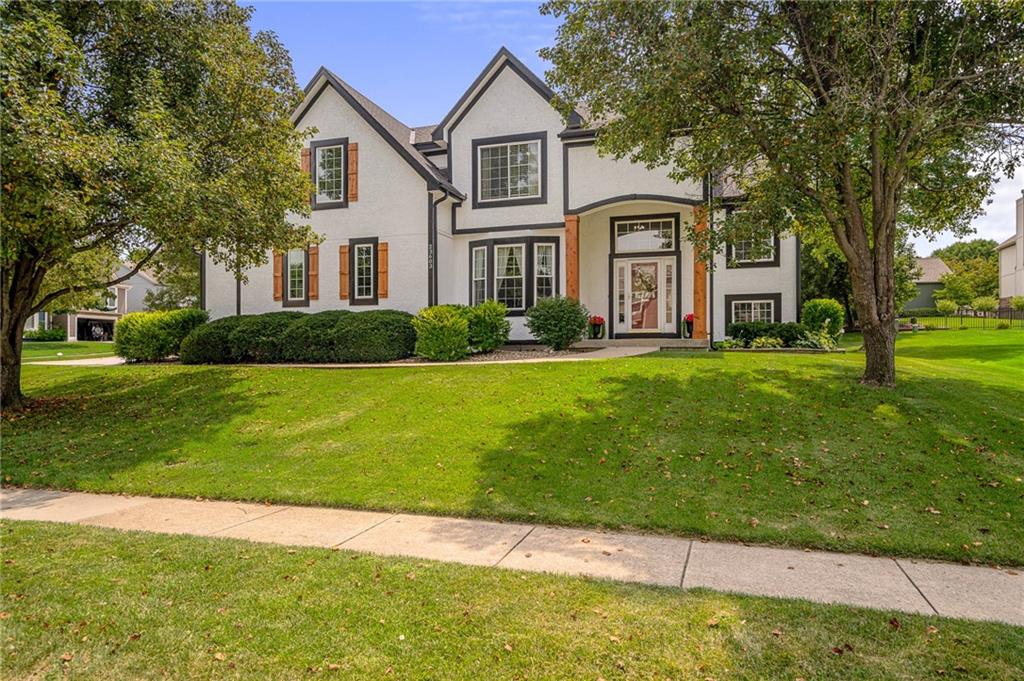
$550,000
Closed
Welcome home to this spacious two-story residence offering incredible flexibility, with four generously sized bedrooms upstairs, plus a private office and a separate den/playroom located on different levels of the home. The inviting great room is filled with natural light from dramatic floor-to-ceiling windows and features a cozy gas fireplace, creating a wonderful space to gather.
Beautiful hardwood floors flow through the entry, dining room, and kitchen, where you’ll find freshly painted cabinetry, quartz countertops, The spacious primary suite features a vaulted ceiling and a spa-like ensuite bath with a soaking tub, separate shower, double vanity, and large walk-in closet. A second bedroom includes its own private bath, while the third and fourth bedrooms share a convenient Jack-and-Jill bathroom. The second-floor laundry room is ideally located near all four bedrooms.
The finished basement provides even more living space with a large recreation room, wet bar, full bathroom, and a non-conforming fifth bedroom that could also serve as a home gym. You’ll also find generous storage beneath the stairs and an additional flexible room perfect for a den, hobby room, or play space.
Step outside from the kitchen to enjoy the patio and pergola, ideal for relaxing or entertaining. The home has been thoughtfully updated with numerous improvements, including fresh interior and exterior paint, an updated kitchen, new cedar columns and shutters, new basement carpet, landscaping, newer roof and gutters and more!
Conveniently located near highway access, shopping, dining, and everyday amenities, the home also offers access to a community pool and a neighborhood trail leading to Wilder Bluff Park. With its spacious layout, extensive updates, and flexible living areas, this is a wonderful place to call home.
by Natalie McCarter | Sep 29, 2026 | Uncategorized
A home can look perfect during a showing while hiding costly problems behind the walls, under the roof, or around the foundation. Fresh paint and beautiful staging can create a great first impression, but a professional home inspection can reveal important details about the property’s condition.
Not every inspection finding is a reason to walk away. Most homes have some maintenance needs. The key is understanding which issues may require further investigation before you move forward.
1. Water Damage and Moisture
Look for water stains, musty odors, peeling paint, damp basements, or signs of moisture around windows and sinks. A small stain may be from an old repair, but active moisture should be investigated to identify and correct the source.
2. Foundation Concerns
Small cracks can be common, but large or widening cracks, noticeably uneven floors, bowing walls, or doors and windows that no longer fit properly may deserve additional evaluation by a qualified professional.
3. Roof Problems
Missing shingles, damaged flashing, water stains, sagging areas, or an aging roof can lead to significant future expenses. Ask about the roof’s approximate age, condition, and repair history.
4. Electrical Issues
Frequent breaker trips, damaged outlets, exposed wiring, flickering lights, or signs of overheating should not be ignored. When an inspector recommends further evaluation, a licensed electrician can help determine the extent of the issue.
5. Plumbing Problems
Leaks, low water pressure, slow drains, damaged pipes, or an aging water heater can signal repairs that may become expensive if left unaddressed.
6. Heating and Cooling Systems
Older HVAC equipment isn’t automatically a problem, but buyers should understand its condition, maintenance history, and potential replacement timeline before purchasing.
7. Mold, Pests, and Other Warning Signs
Mold-like growth, persistent moisture, termite damage, or strong unexplained odors can warrant additional investigation. Identifying the underlying cause is more important than simply addressing what is visible.
Don’t Skip the Follow-Up
If an inspector recommends additional evaluation, consider bringing in the appropriate specialist, such as a structural engineer, electrician, plumber, roofer, or pest professional. A little extra investigation can provide valuable information before closing.
The Bottom Line
A home inspection isn’t about finding a perfect house. It’s about understanding the home you’re buying. Knowing which issues need attention can help you budget for repairs, negotiate where appropriate, and make a more informed decision.
Thinking about buying a home? Contact me to discuss what to look for during the home-buying process and how to approach inspection findings with confidence.
